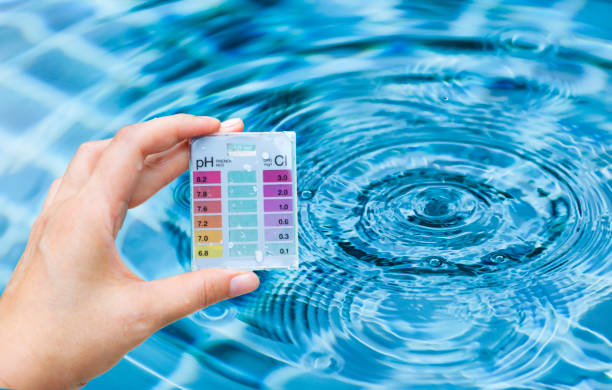
When homeowners think about water quality, they often assume it is a constant—that the water coming from the tap in mid-July is essentially the same as the water flowing in late December. However, water chemistry is surprisingly dynamic. Throughout the year, fluctuations in ambient temperature, changes in water usage patterns, and shifts in municipal treatment strategies can create seasonal “windows” where the risk of lead leaching from pipes is higher.
Understanding these seasonal variables is an essential part of maintaining building water safety. If you live in an area with aging infrastructure, recognizing when your water is most vulnerable can help you time your testing and maintenance for maximum effectiveness.
The Temperature Factor
The most significant seasonal driver of lead levels is temperature. Chemical reactions generally speed up as temperatures rise, and the leaching of lead from plumbing is no exception.
As the ground warms up during the spring and summer months, the water flowing through your home’s service line absorbs that heat. This warmer water is more aggressive, meaning it reacts more readily with lead-containing pipes, solder, and brass fixtures. Scientific studies have consistently shown that lead levels in drinking water tend to peak in the summer. Conversely, when the ground cools down in the winter, the chemical reaction slows, often resulting in lower detected levels of lead in the water.
Seasonal Stagnation: The “Vacation Effect”
Seasonal changes also alter how we use our homes. During school holidays, summer vacations, or the winter festive season, buildings often sit empty for days or even weeks at a time. This leads to extended periods of water stagnation.
Lead accumulates in water that sits in contact with pipes, a process often referred to as “residence time.” If your home is vacant for a week while you travel, the water sitting in your plumbing is effectively soaking up lead from the pipe walls, solder, and fixtures. When you return and turn on the tap, the “first-draw” water—the water you likely use to fill a coffee pot or wash vegetables—will have a much higher lead concentration than it would have had if the water were being refreshed daily.
Municipal Treatment Adjustments
Water utilities are not idle during the year; they are constantly adjusting their treatment strategies to account for seasonal changes in the source water.
For example, in the summer, organic matter in reservoirs can bloom, requiring utilities to adjust their disinfection processes. If these adjustments shift the pH or alkalinity of the water, it can inadvertently change the water’s corrosive nature. Additionally, if your utility changes its approach to corrosion control (such as adjusting the dosage of orthophosphate), the protective “scale” lining your pipes might become less stable. Residents in older cities and urban plumbing networks should be particularly aware of these utility adjustments, as these systems are often the most sensitive to chemical shifts.
Biological Risks and Seasonal Shifts
It is also worth noting that seasonal changes don’t just affect chemistry; they affect biology. While lead is a year-round concern, the warm summer months are when biological threats are most active.
Understanding where legionella can develop—specifically in water heaters that might be set to lower temperatures or in stagnant branches of a large building—is a critical piece of the puzzle. Just as heat accelerates lead leaching, it also promotes the growth of bacteria. If you are investigating legionella explained as a potential risk for your property, you should recognize that summer is often the highest-risk period for biological contamination, making it the perfect time to conduct a comprehensive check of your entire water system.
Timing Your Water Testing
Because seasonal shifts can influence your results, your testing schedule matters. If you only test once a year, you may be getting a “best-case” reading by testing in the winter, which might lead to a false sense of security during the higher-risk summer months.
- Best Practice: For homeowners in high-risk areas, we recommend testing during the summer when lead solubility is at its highest. This gives you a “worst-case scenario” baseline, ensuring that if your water is safe in July, it is almost certainly safe throughout the rest of the year.
- Post-Vacation Flush: If you have been away for more than a few days, always flush your pipes before consuming any water. Run the cold water taps for at least three to five minutes to clear out the stagnant water that has been sitting in your service line.
Protecting Your Home
The Environmental Protection Agency (EPA) encourages ongoing vigilance, but that vigilance is much more effective when it is informed by the realities of your local environment.
If you are concerned about how seasonal changes are affecting your household, remember that you don’t have to navigate these complexities alone. Our FAQ page is a great resource to help you understand how to account for these variables when reviewing your water reports or planning your next lab test.
Conclusion: Awareness Leads to Action
Seasonal shifts in water quality are a reminder that your home’s water is a living, changing system. You cannot assume that because the water was fine in the winter, it remains perfectly balanced in the heat of August. By staying mindful of temperature shifts, managing stagnation, and testing during peak-risk periods, you gain control over your home’s safety.
If you are still unsure about how your plumbing system interacts with these seasonal trends, reach out to our team via our contact page. We can help you build a maintenance plan that accounts for the changing seasons, ensuring your water remains clean, consistent, and safe, regardless of what the thermometer says outside.
Have you ever tested your water during the peak of summer compared to the middle of winter to see if there is a detectable difference in your home’s lead levels?