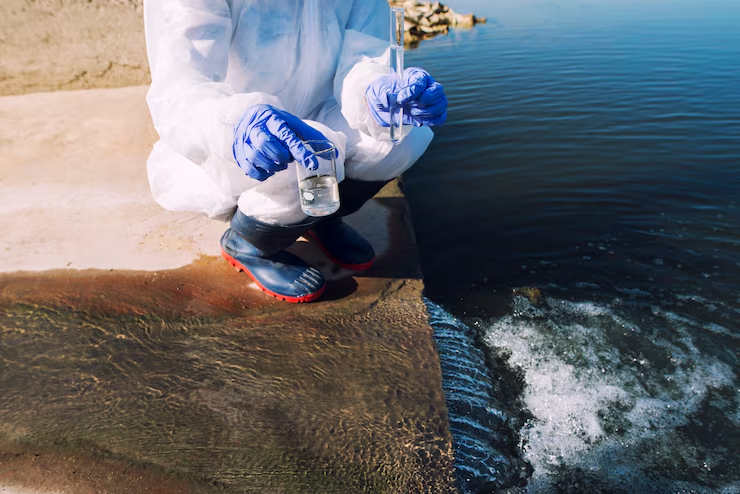
When you drop your children off at school, you trust that the environment is safe, healthy, and conducive to learning. However, for many parents, a hidden concern has emerged in recent years: the quality of the drinking water available in classrooms, cafeterias, and water fountains. Because lead is a potent neurotoxin and there is no known safe level for children, discovering that a school’s water might be contaminated can be deeply unsettling.
Understanding the risks and, more importantly, the proactive steps you can take, is the best way to ensure your child’s environment remains secure.
Why Schools Face Unique Challenges
Lead in drinking water rarely comes from the water source itself; rather, it is introduced through the building’s internal plumbing. Schools face specific challenges that make them more susceptible to lead accumulation than private homes:
- Intermittent Use: Schools are closed over weekends, holidays, and summer breaks. During these periods of “stagnation,” water sits in contact with lead-bearing pipes, solder, or brass fixtures, allowing more lead to leach into the supply. When students return and use the fountains first thing in the morning, the water they drink may have been sitting in those pipes for days.
- Aging Infrastructure: Many public school buildings are older and may contain original plumbing materials installed long before modern lead-free requirements were established. Even in newer buildings, certain brass fixtures or valves can contain trace amounts of lead that contribute to the problem.
- Complex Systems: School plumbing is often vast and intricate. Identifying every fixture that might pose a risk requires a dedicated building water safety plan, which not all districts have the resources or mandate to implement.
The Health Impact on Developing Bodies
Children are uniquely vulnerable to lead. Their brains and nervous systems are still developing, and they tend to absorb lead more easily than adults. According to the EPA, even low levels of lead exposure have been linked to learning disabilities, behavioral problems, lower IQ scores, and impaired growth. Because children spend a significant portion of their day at school, the water they drink there can contribute to their total daily lead intake.
How to Determine if Your School is Safe
You don’t need to guess whether your child’s school has an issue. Transparency is the first step in remediation.
- Ask for Results: Contact your school district’s administration or the building’s facilities manager. Ask specifically if they have conducted lead testing and, if so, whether those results are available to the public. If they haven’t tested, ask why.
- Understand the Regulations: It is important to note that federal law does not mandate lead testing for all schools that receive their water from public systems. However, many states and local jurisdictions have implemented their own requirements. Your local cities and urban plumbing department or health department can often clarify what rules apply to your specific district.
- Look for the 3Ts: The Environmental Protection Agency (EPA) provides a framework known as the 3Ts for Reducing Lead in Drinking Water. This program (Training, Testing, and Taking Action) is the gold standard for how schools should manage their water. If your school is following these guidelines, they are taking the right approach to student safety.
What You Can Do as a Parent
If you are concerned about lead in your child’s school, you have several ways to advocate for safety:
- Encourage Proactive Testing: If your school has not tested, work with your PTA or school board to request a voluntary testing program.
- Provide Safe Options: In the short term, you can have your child carry a reusable water bottle filled with water from home that you know is safe. This eliminates the need to rely on school water fountains.
- Stay Informed on Symptoms: While lead poisoning often shows no immediate symptoms, if you are concerned, talk to your pediatrician. A simple blood test is the only way to confirm if a child has elevated blood lead levels.
- Focus on the Big Picture: Remember that lead in school water is just one piece of the puzzle. It is also worth being aware of other common water issues, such as where legionella can develop in stagnant school plumbing, or why legionella explained as a biological risk is a separate but equally important conversation for facilities managers.
Staying Proactive
Water quality issues can be complex, but they are not insurmountable. Many districts have successfully lowered lead levels by replacing old fixtures, installing point-of-use filters, and implementing mandatory flushing schedules.
If you are looking for more resources on how to test your home or how to navigate water safety questions, our FAQ page offers detailed insights. For those who require professional guidance or an assessment of their local water risks, our team is ready to assist. Reach out to us via our contact page to discuss your concerns.
By staying engaged and informed, you are not just protecting your own child—you are helping to create a safer learning environment for the entire community.